What Should Roofing Companies Write Instead of 'Top 10 Tips' Posts?
Andy Harris · November 23, 2026 · 8 min read
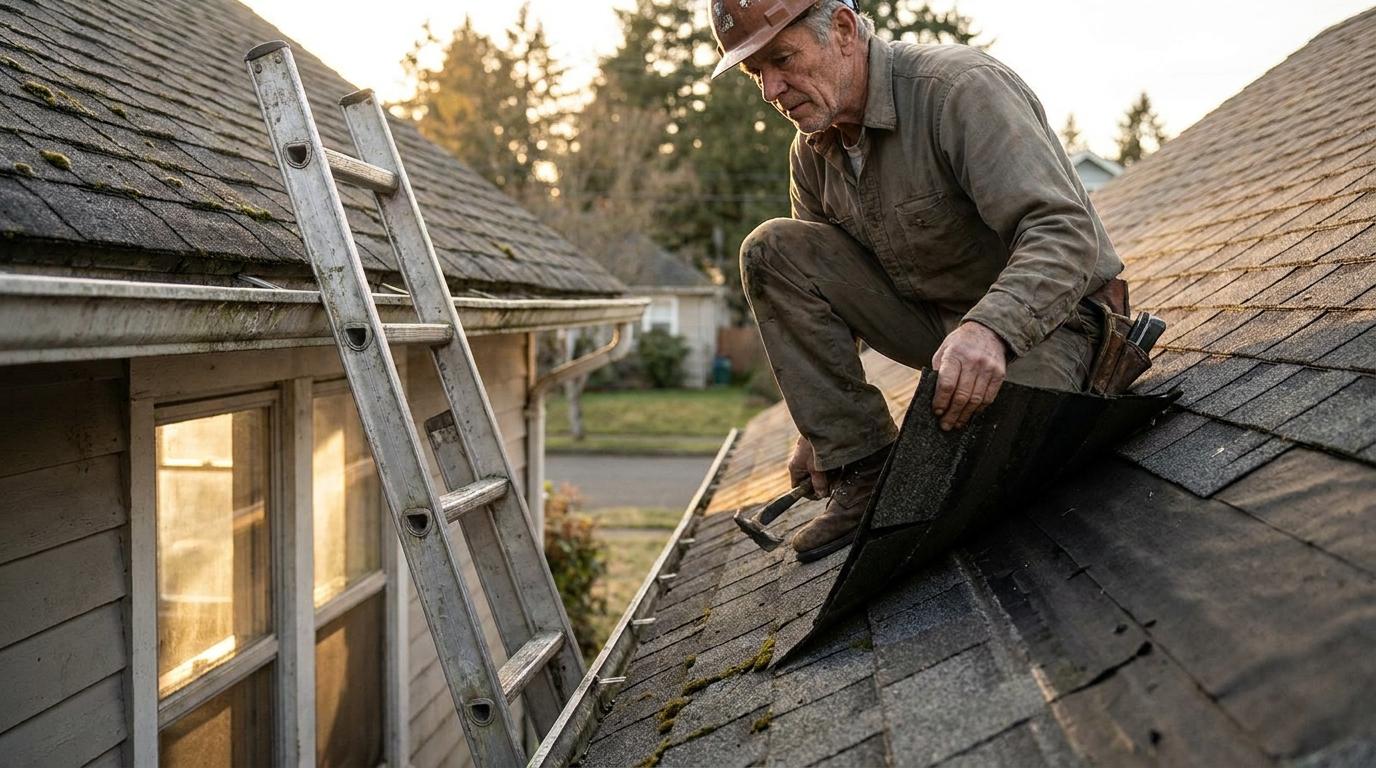
Write about what only your crew knows. Google's Think with Google team told CMOs to stop publishing generic Top 10 posts and lead with first-hand expertise. For a roofer, that means posts about how you inspect, quote and handle problems, not 10 tips for hiring a contractor that any competitor could copy.
What did Google actually tell CMOs about Top 10 posts?
On Nov. 19, Google's Think with Google account told CMOs to stop the "Top 10" listicle and start leading with first-hand expertise, according to Matt Southern at Search Engine Journal. The advice comes from an Oct. 14 article by Brendon Kraham, Google's VP, Search & Commerce Global Ads Solutions.
Southern's report says the social post drew questions from SEOs about whether Google is telling brands to drop listicles. The October article is more specific than the headline suggests.
Kraham's example is a running store. Instead of a generic "Top 10 Things to Consider" post, he says the store could make a deep-dive video analyzing exactly why one specific customer's running shoes collapsed. In his words, that is "highly specific, real-world advice."
Notice what he is asking for. He wants content only that business could have made, based on something it actually saw.
Is Google banning tips posts?
No, not based on what Southern reports. The target is generic content built on common knowledge. Google Search's own guide to generative AI features, published in May, calls "7 Tips for First-Time Homebuyers" commodity content and contrasts it with a first-hand piece about waiving a home inspection.
That is a quality line, not a format ban. A list can still be useful if it comes from real experience. A post that any competitor could have written in twenty minutes is the problem.
Southern also points out that neither Kraham's article nor Google's guide mentions self-promotional "best of" lists, the kind where a company ranks itself number one. That is a separate issue, and Lily Ray has tracked it. Ross Hudgens, the CEO of Siege Media, replied to her that Google's point was "not of the type you're thinking of."
So read it narrowly. Google is not saying lists are bad. It is saying copy-paste advice has no value.
Why do generic contractor tips posts fall flat?
Generic tips posts fall flat because they say what every other company in your trade already says. "Five signs you need a new roof" or "10 spring lawn care tips" could carry anyone's logo. Nothing in them proves you have ever been on a roof or in a yard.
This is my read, not a statistic. Look at the tips posts on your own site. If you swapped in your competitor's name and nothing changed, the post is doing no work for you.
Most contractors wrote those posts because someone said they needed fresh content. So they wrote what they thought a blog should sound like. It reads like a brochure, and homeowners can tell.
The homeowner you want is standing in her driveway looking at a stain on the ceiling and wondering who to trust. A list of tips does not help her. A plain description of how you would figure out what is wrong does.
What should a roofing company write instead?
Write about decisions, not generalities. Explain how your crew inspects a roof, why you quote the way you do, what you found on a real job, and what you told the customer. Southern says to ask of every post: did we learn this firsthand, or is it common knowledge?
Use that test as your filter. Here is a simple process to apply it:
- List every tips-style post on your website and Google Business Profile.
- Ask of each one: is this something we learned on a job, or something anyone could repeat?
- For each generic post, name one real situation your crew has handled that relates to it.
- Write the post around that situation: what you saw, what you decided, and why.
- Add your own photos from the work, with a plain caption saying what the photo shows.
The hook for this article gave one example title: "Why we walk every roof twice before quoting." That is the kind of process detail only your crew knows. Notice it is a claim about how you work, so only write it if it is true for you.
A landscaper could write about why you re-check drainage before laying sod, or what you look at in a yard before you give a price. A roofer could explain what makes you stop and call the homeowner mid-job. Those are examples of angles, not scripts. Use your own.
What does a first-hand post look like in practice?
A first-hand post is a short account of a real job or a real decision, written the way you would explain it to a customer at the kitchen table. It states what the problem looked like, what you checked, what you recommended and why.
It does not need to be long. It does need to be specific. Compare two openings:
"Regular roof maintenance can extend the life of your roof."
"Last week we pulled back a few shingles over a bedroom ceiling stain. The wet spot was nowhere near where the homeowner thought."
The first could be on any site. The second can only come from someone who did the work. Only write the second kind if it actually happened, and leave out the customer's name and address.
Kraham's running store example was a video, but you do not need a studio. A phone clip from the truck, a few photos from the job and a paragraph or two of plain explanation is enough to start.
One more thing. Do not dress it up. If your crew talks plainly, write plainly. That is part of what makes it credible.
How does this connect to your Google Business Profile?
Your Google Business Profile is one of the easiest places to show first-hand work in small pieces. Posts, job photos and service descriptions can each carry one specific detail about how you work. That detail is the proof a generic tips post never gives.
You do not have to turn every job into a long article. Take one finding from a job, add two photos and post a few sentences. Do that regularly and your profile starts to look like a business that does real work, not a template.
If you are not sure where your profile stands, run a Google profile audit first. It shows what is missing before you add anything new. If you want us to handle the posting and upkeep, that is what our local search service does.
The point is consistency. A profile with real job detail beats a blog full of recycled advice.
How do you know if the content is working?
Measure it by leads, not by vanity numbers. Kraham tells CMOs to keep planning around real business goals like leads or sales, not unproven proxy metrics. For a roofer, that means calls, quote requests and booked estimates.
Southern notes that growth advisor Eli Schwartz posted his own blunt take on the same point, telling people to stop trusting proxy scores. You do not have to follow the SEO argument to use the lesson.
Pick a few numbers you can check every month:
- How many calls came from your Google profile.
- How many quote requests came through your website.
- How many of those turned into booked estimates.
- Where the customer says they found you when you ask.
If a post is not producing any of those, change it or stop writing that kind of post. You can also check where you stand today with the free Local Visibility Score, which gives you a baseline to compare against later.
Common questions
Should I delete my old tips posts?
Not automatically. Run each one through Southern's test: is it something you learned firsthand, or common knowledge? If it is generic, rewrite it around a real job or fold it into a better post. Delete only the ones that are thin and cannot be improved.
Do I have to make videos?
No. Kraham's running store example was a video, but the principle is specificity, not format. A written post with real job photos and a plain explanation works. Video is useful if your crew is comfortable on camera, but a phone clip is plenty.
How long should a first-hand post be?
As long as the story needs. Do not pad it to hit a word count. A few clear paragraphs with photos from a real job beat a long post of general advice. Say what you saw, what you decided and why.
How can I keep up with Google's guidance?
According to Southern, Google posts major updates to its Search documentation on its documentation updates page, which also has an RSS feed. Following that feed is an easy way to see changes as they are published, without relying on social media commentary.