Google Moved Inline Links Higher. Does Your GBP Post Earn the Click?
Andy Harris · October 19, 2026 · 8 min read
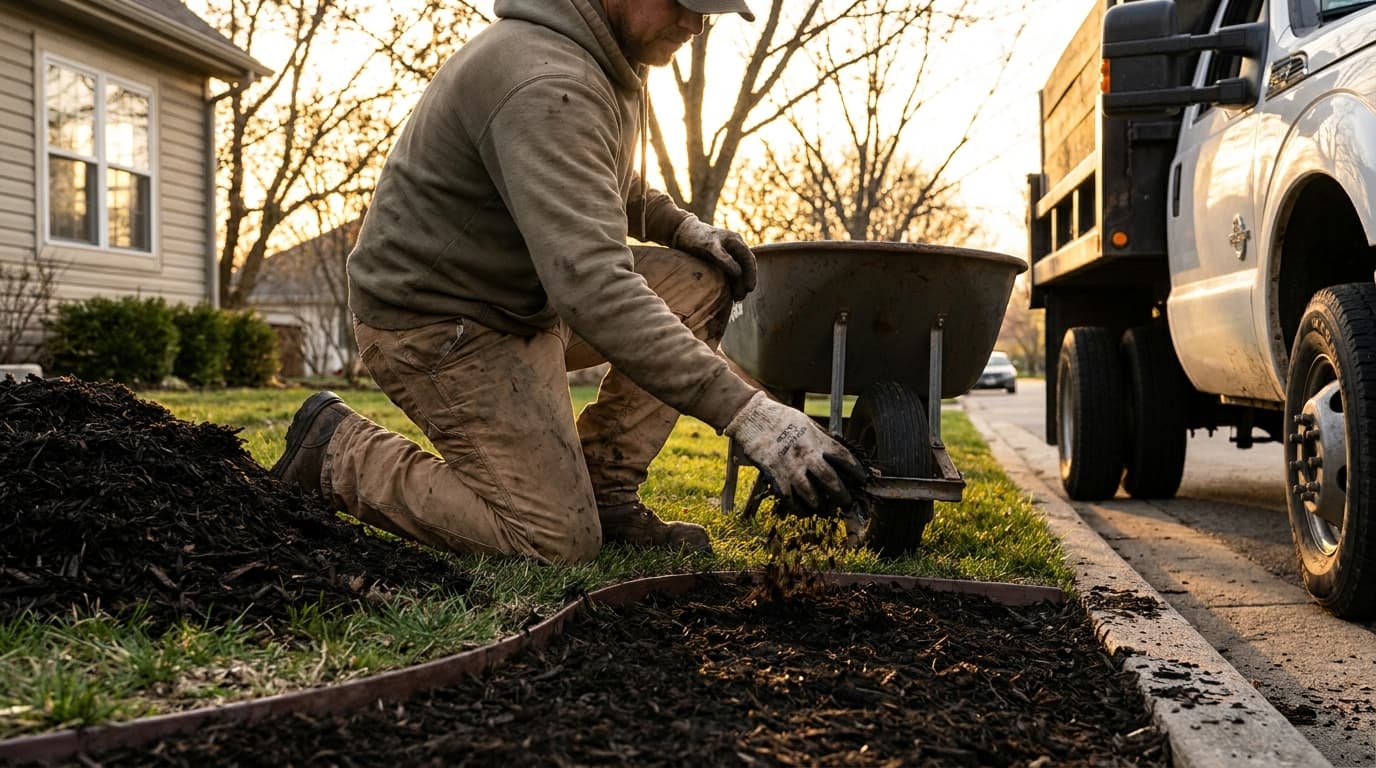
Do Google Business Profile posts still matter now that Google is putting links higher in AI answers? Yes, but only the specific ones. Google's announcement doesn't mention GBP posts. The direction is clear, though: links sit next to the text they support, from sources that answer the question. A vague post doesn't.
What did Google change about links in AI answers?
According to Matt Southern at Search Engine Journal, Google announced five changes to links in AI Mode and AI Overviews. It will show inline links higher up more often, test a top section of official-site links for task searches, expand timely-article carousels, add thumbnails to end-of-answer links, and test creator profile links in video results.
Southern notes that Google gave no figures for how much the inline link increase actually is. So "more often" is all we know.
The part that matters most to a home-services owner is the second change. For task-based searches where only one or two official sources exist, Google plans to list those sources at the very top of the response. It will also explain why each link is a good resource.
That is a test, and Google hasn't said when it might expand. But look at what it tells you. Google wants to hand people a trusted page that does the job, with a reason attached.
Does this change affect Google Business Profile posts?
Google's announcement says nothing about Google Business Profile posts, so nobody outside Google can honestly claim these changes pull your posts into AI answers. What the changes do show is a preference for links that clearly answer the question. A generic "Call us today for all your lawn needs" post gives Google nothing to point to.
I'll be straight about the limits here. Southern's article covers AI Mode and AI Overviews, and it is about publishers, articles and videos. It is not about local businesses. I'm not going to tell you a GBP post will show up as an inline link next month.
Here is what I will say. Your profile is the first thing many local customers see. Whether it's surfaced in a map result, a branded search or an AI answer, the post or page that gets clicked is the one that answers something specific.
So the practical question isn't "will Google show my post." It's "if it did, would anyone click?" Most contractor posts fail that test.
What are Preferred Sources, and does a landscaper need them?
Preferred Sources lets searchers pick websites they want to see more often. Southern reports usage is now more than seven times what it was at the start of the year, though Google gave no user count or method. The feature is built around timely articles, so most landscapers and cleaners can safely ignore it.
There is one condition worth knowing. Southern writes that, per Google's documentation, your site must be included in Search generative AI features in Search Console to qualify. Google also provides a button and a deep link so you can ask readers to add your site.
If you run a blog with seasonal advice, like when to aerate in your area or how often a rental turnover clean is needed, it's a small thing to look into. If you don't publish articles, don't chase it. A carousel of timely articles isn't where a homeowner finds a cleaner.
Also, don't confuse this with Search profiles. Southern reports those are for creators and publishers with at least 10,000 followers on YouTube, Instagram, X or TikTok, in the US, Canada and India. That is not a local contractor's situation.
How do I write a GBP post that earns the click?
Write each post to answer one question a customer would actually ask, in the first two sentences, with a named service, a named area and a clear next step. Skip greetings and generic promotions. A post that answers something directly gives both Google and the customer a reason to click.
Here is the process I'd use:
- Pick one real question you heard this month, on a call, at a quote or in a review.
- Answer it in the first two sentences. Give the plain answer, not a teaser.
- Name the service and the town or neighborhood you serve.
- Add one concrete detail, like a timeframe, what is included, or what to expect on the day.
- End with one action: call, book, or get a quote. Link to the specific page that matches the post, not your home page.
Step five is where most posts leak. If the post is about gutter-side mulch beds and the link goes to a page that doesn't mention mulch, the click is wasted.
Keep posts short. You aren't writing an essay. You are giving a stranger enough to trust you and one place to go next.
What does a weak post look like next to a strong one?
A weak post is a greeting with a phone number. A strong post answers a question a homeowner is typing right now, names the service and area, and sends them to a page that finishes the answer. The difference is whether anyone has a reason to click.
These are illustrations, not real client posts.
Weak, for a landscaper: "Spring is here! Let us make your yard beautiful. Call now for a free estimate."
Stronger: "When should you put down mulch in spring? Once the soil has warmed and weeds have started, usually after the last hard frost. We install and edge mulch beds for homes across our service area. See what's included and how we price it."
Weak, for a cleaner: "We are your trusted cleaning professionals. Book today!"
Stronger: "What does a move-out clean include? Kitchen and bathrooms, inside appliances, baseboards, and floors. Windows and carpet shampooing are extra. Here is the checklist we use, so you can see what your landlord will expect."
The weak versions could belong to anybody. The stronger ones could only be written by someone who does the work, and that's what makes them worth a click.
None of this is new advice. What's changed is the cost of being generic. When Google moves links closer to the answer and tests putting trusted pages first, there is less room for filler.
How can I tell if any of this is reaching my customers?
Search the questions your customers ask, in AI Mode and in regular Google, from the area you serve. Note which links appear and who they belong to. Southern's own advice is to check AI Search results in the locations and languages you serve, since the carousel expansion is starting now.
Only that part is rolling out. The official-pages section and the AI Mode profile links are both tests, per Southern, with no timeline for expansion.
One more detail from the article is worth knowing if you track Search Console. Southern writes that Search Console assigns every link in an AI Overview the same single position. So moving an inline link higher in the response doesn't change its reported position by itself. Don't expect your reports to show this shift clearly.
Instead, look at what you can see: calls, direction requests and form fills from your profile. If a post leads to more of those, it's working. If it doesn't, rewrite it.
If you want a fast read on where your profile stands, the Google profile audit checks the basics. The free Local Visibility Score shows how you look in local search right now. Neither one needs you to guess what Google will do next.
Common questions
Will Google show my Business Profile posts in AI Mode?
Nobody outside Google can say for sure. Google's announcement, as reported by Matt Southern, covers inline links, official-site links, carousels and creator profiles. It doesn't mention Business Profile posts. Treat posts as a way to answer customers directly, not as a guaranteed spot in AI answers.
Should a landscaper or cleaner worry about Preferred Sources?
Probably not. Preferred Sources is built around timely articles, and Southern reports your site must be included in Search generative AI features in Search Console to qualify. If you don't publish seasonal articles, put your time into your profile, reviews and service pages instead.
How often should I post to my Google Business Profile?
Post when you have something specific to say, not on a rigid schedule. One post that answers a real customer question beats four filler posts. For most home-services businesses, a steady rhythm of useful posts you can keep up is better than a burst that fades.
What is the single biggest mistake in GBP posts?
Being generic. A post that could belong to any landscaper or cleaner gives nobody a reason to click. Name the service, the area and one concrete detail, answer the question in the first two sentences, and link to the page that matches the post.